
Overview
Unlocking Your Optimal Health Through Personalized Care
 Written by the Nucore Health Clinical Team
Published on 03-31-2025
Key Takeaways
- High patient volume and limited visit time mean standardized care can miss the details of one person’s health, which the article says can lead to treatment that does not fit and less personal control.
- Concierge care uses smaller patient loads, longer consultations, and direct access by phone, email, or text, with prevention ahead of reacting to symptoms.
- Metabolic assessments and lifestyle evaluations are used to shape nutrition, exercise, and medication plans. The data-driven section below keeps the article’s reported comparison with standard care.
- The model also includes stress management, mindfulness, and nutritional counseling, and it coordinates care with specialists.
- Nucore Health connects eligible adults with independent licensed clinicians through online intake. Any treatment depends on that clinician’s review.
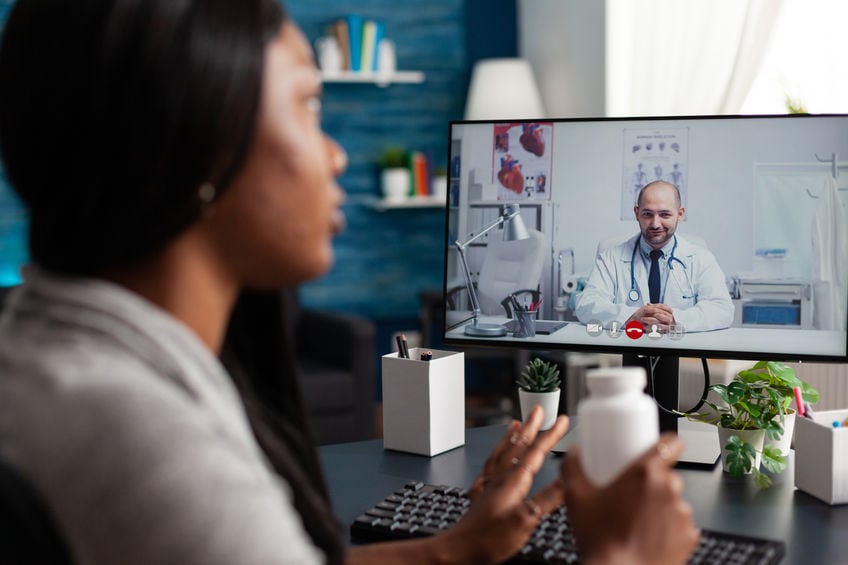
The sections below keep this article's original explanation of personalized and concierge care: why standard visits fall short, what a closer clinician relationship changes, how personal health data is used, and what a whole-person plan includes. This is educational. It does not diagnose you, and it is not a substitute for talking with a qualified clinician about your own health.
The Collapse Of The Standard Care Model
The current healthcare landscape, often burdened by high patient volumes and limited provider time, frequently falls short in addressing individual patient needs. While efficient for large populations, standardized care models can overlook the unique complexities of individual health characteristics. This can lead to suboptimal treatment, increased frustration, and diminished personal control over health outcomes. The challenge becomes more pronounced for individuals with chronic conditions or complex medical histories, where nuanced approaches are increasingly important. The need for a more personalized and proactive healthcare model has become increasingly evident and is hallmarked by a concierge paradigm.
Deepening the doctor-patient relationship
Concierge care addresses the limitations of traditional healthcare by fostering a deeper, more personalized doctor-patient relationship. Reduced patient loads allow for extended consultations, enabling comprehensive assessments and detailed discussions about individual health goals. Proactive, preventative strategies are emphasized, rather than reactive treatment of symptoms, which is typical of conventional models. This comprehensive approach facilitates the development of customized wellness plans that address the core etiology of health concerns and disease. Direct access to healthcare providers, often through phone, email, or text, ensures timely communication and streamlined care coordination. Such accessibility engenders trust and collaboration, improving patient engagement and adherence to treatment plans and superior outcomes.
Data-driven customization
Concierge care leverages advanced diagnostic tools and personalized data analysis to optimize health outcomes. Metabolic assessments and detailed lifestyle evaluations provide a thorough understanding of an individual's unique physiological profile. This data-driven practice permits the development of targeted interventions, including customized nutrition plans, exercise regimens, and medication management strategies. Studies have shown that patients in concierge care models experience an 80% reduction in hospital admissions and a 33.6% decrease in emergency room visits compared to those in standard care. The increased focus on preventative care also leads to improvement in managing chronic conditions.
Holistic wellness
Concierge care recognizes the connection of physical, mental, and emotional well-being. Holistic approaches integrate complementary therapies, such as stress management techniques, mindfulness practices, and nutritional counseling, into comprehensive care plans. This focus on holistic wellness promotes a sense of balance and harmony, leading to improved overall health and quality of life. The ability to coordinate care with specialists and allied health professionals ensures seamless integration of all aspects of patient care. A proactive approach to wellness, and not just sickness, creates a stronger, healthier patient.
The concierge care advantage
Concierge care offers a transformative approach to healthcare, shifting the emphasis from reactive therapy to proactive wellness. Concierge care optimizes health outcomes and empowers individuals to take control of the healthcare journey by prioritizing personalized attention, data-driven customization, and holistic integration. Investing in a more personalized model of care translates to tangible improvements in health and quality of life. Concierge care provides a pathway to unlocking optimal health and achieving greater well-being.
Practical Recommendations
- Use the longer visit. The article's point is that reduced patient loads allow extended consultations and a real discussion of your health goals, so bring those goals with you.
- Ask for the preventative plan, not only a response to today's symptom. That is the shift the article describes.
- Expect your own information to shape the plan. Metabolic assessments and lifestyle evaluations are what the article says drive nutrition, exercise, and medication decisions.
- Include more than the medical visit. Stress management, mindfulness, and nutritional counseling are part of the model described here, along with coordination with specialists.
- Read the reported comparison as the article's claim, not a promise for you. The data-driven section states the hospital-admission and emergency-room comparison exactly as it was published. Your own result depends on a clinician's review.
How Nucore Health Can Help
Nothing in this article is a diagnosis or a treatment plan for you specifically. It is not a substitute for seeing a qualified clinician.
Nucore Health is an online platform that connects U.S. adults with independent licensed clinicians for clinician-guided care, including weight management, hormone therapy, hair restoration, and wellness support. Nucore Technologies, LLC is not the treating medical practice, a pharmacy, or a physical clinic. Care is delivered by independent licensed clinicians, pharmacies, laboratories, and operational partners.
Here is how it works:
- Start with a confidential online intake. You share your goals, history, and questions so a clinician has something real to review.
- A licensed clinician reviews your information. Eligibility, prescribing, and treatment decisions are theirs, based on your circumstances. Approval is not guaranteed, and availability can vary.
- If treatment is approved, it can be delivered to you. You do not need insurance to get started, and eligible care can be paid with HSA or FSA funds.
If you want to understand the starting point before you begin, contact the Nucore team or read how Nucore describes its approach. People exploring proactive wellness often also look at Energy & Wellness.
The Bottom Line
The concierge-care section above is the article's closing point: a shift from reactive therapy to proactive wellness, built on personal attention, your own health information, and a whole-person plan. That is the pathway it describes. It is not a result promised to any one person.
If you want to see whether this path fits, the next step is a conversation with a clinician who can look at your history and your goals. Start with Nucore Health to ask about online intake and clinician review. Any treatment depends on that review and on whether you are eligible.
Frequently Asked Questions
What does this article mean by personalized care?
Care built around individual health characteristics rather than a standardized visit. The article says high patient volume and limited provider time can overlook those differences.
How is concierge care different from a regular visit?
Reduced patient loads, extended consultations, detailed discussion of health goals, and direct access by phone, email, or text. Prevention is emphasized over reacting to a symptom.
What results does the article cite?
The data-driven section says studies have shown lower hospital admissions and fewer emergency room visits for patients in concierge care models than in standard care, and it gives the figures. That comparison is the article's reported claim, not a result promised to any one person.
What else goes into the plan?
Metabolic assessments, lifestyle evaluations, customized nutrition and exercise, medication management, stress management, mindfulness practices, nutritional counseling, and coordination with specialists.
Who decides whether treatment is appropriate at Nucore Health?
An independent licensed clinician. Nucore Health facilitates online intake and the connection. Approval is not guaranteed, and availability can vary.
Sources
1. Forbes Business Council — The Future of Personalized Healthcare and Concierge Medicine
2. HealthTech Magazine — Concierge Medicine Creates Better Patient Outcomes
3. Mayo Clinic — Mindfulness exercises
Medical Disclaimer
This article is for educational purposes only and is not intended as, and should not be interpreted as, individualized medical advice, diagnosis, or treatment. Health goals, eligibility, and appropriate next steps vary from person to person. Always consult a qualified healthcare provider regarding your specific health concerns or treatment decisions before making any changes to your care.
About
Nucore
Personalized care for optimal health, powered by science and enhanced by AI.
